
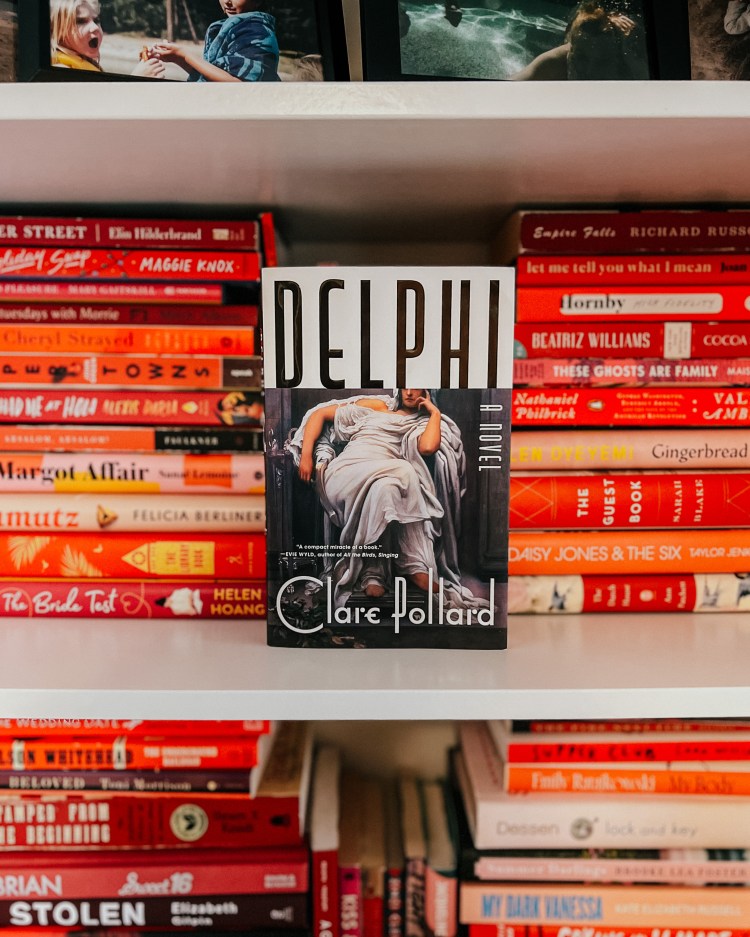
Publisher: Avid Reader Press (Simon & Schuster) Year Published: 2022
Thank you Simon & Schuster’s Book Club Favorites for my copy of Delphi.
When I saw the synopsis for Delphi, I was intrigued. I felt like it was a book that I would enjoy, particularly given the back flap comparisons to Sally Rooney. Additionally, this is Clare Pollard’s first novel. She’s a poet. Stephanie Danler recently made a TikTok with a writing tip that said writing is mostly stealing from poets. Danler’s belief that more novelists should read poetry is understandable. Delphi is lyrical, it’s concise, and it’s filled with subtle events that build to a shocking end. If you aren’t reading closely, considering the language and diction, you might miss where the novel is headed. Something I will say — I’ve never read anything like this. The unnamed protagonist is a classics professor and so each chapter starts with a type of prophecy, which foreshadows the type of issue or emotion that the characters will face. Sometimes the issue is obviously related to the type of prophecy and other times it’s more … poetic.
I should note at the start that this is Covid-19 pandemic novel. If you are not yet ready to read pandemic literature, I would add this to your TBR and wait until you are ready. The pandemic, with its uncertainty, sadness, and loss, is at the forefront. I found myself identifying with the narrator regularly, specifically the recalibrating done again and again as the weight and severity of the pandemic settles in her bones. The story is intoxicating and unsettling.
More About The Book
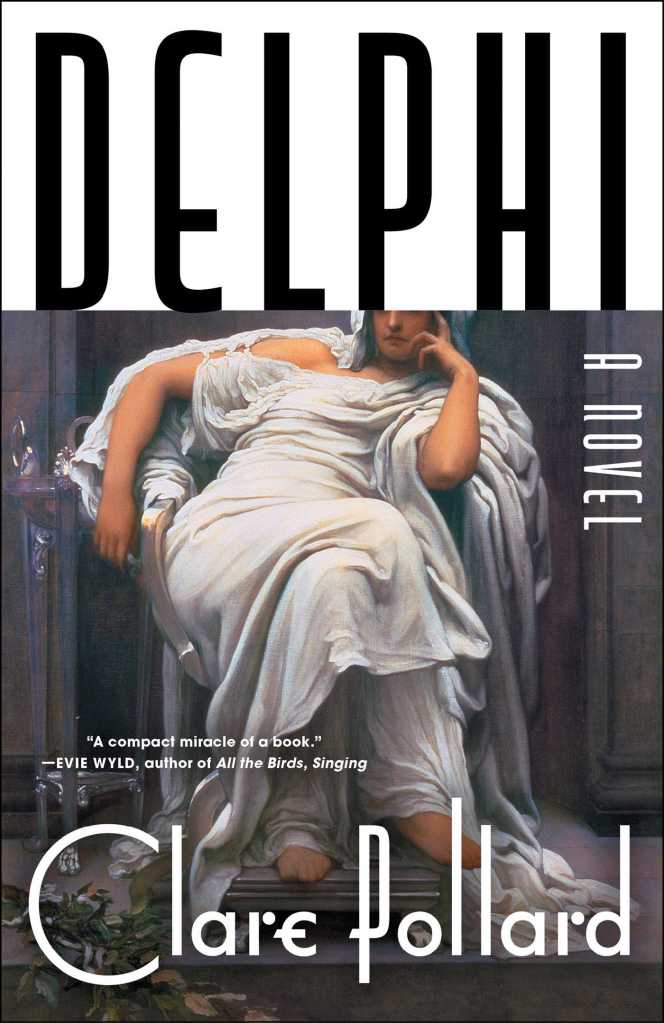
“A captivating debut novel about a classics professor immersed in research for a new book on a prophecy in the ancient world who confronts chilling questions about her own life just as the pandemic descends—for readers of Jenny Offill, Ottessa Moshfegh, and Sally Rooney.
Covid-19 has arrived in London, and the entire world quickly succumbs to the surreal, chaotic mundanity of screens, isolation, and the disasters big and small that have plagued recent history. As our unnamed narrator—a classics professor immersed in her studies of ancient prophecies—navigates the tightening grip of lockdown, a marriage in crisis, and a ten-year-old son who seems increasingly unreachable, she becomes obsessed with predicting the future. Shifting her focus from chiromancy (prophecy by palm reading) to zoomancy (prophecy by animal behavior) to oenomancy (prophecy by wine), she fails to notice the future creeping into the heart of her very own home, and when she finally does, the threat has already breached the gates.
Brainy and ominous, imaginative and funny, Delphi is a snapshot and a time capsule—it vividly captures our current moment and places our reality in the context of myth. Clare Pollard has delivered one of our first great pandemic novels, a mesmerizing and richly layered story about how we keep on living in a world that is ever-more uncertain and absurd.”
Pollard’s novel likely won’t be for everyone, much like the novels by the novelists to which Pollard is compared. *resist the urge to go on a rant about the value of comps for readers as well as publishers* What Pollard does particularly well, though, is focusing her narrator’s attention on the concept of knowing the future whilst also mistaking anticipation for action. The narrator seems hyperfocused on the concept of “prediction” or “knowing the future through prophecy, but time is passing and things are happening and the narrator is missing signs of change. Pollard’s decision to focus on something that seems impossible (that is, knowing the future) is particularly effective due to the unknowable nature of a pandemic and the seeming randomness of the spread of the disease. The disease brings a sense of chosenness — those who are careful get it, whereas someone less careful may never get it. This in itself is prophetic.
I really enjoyed this story; it shocked me and I loved the writing. I found myself underlining line after line and writing, “yes!” in the margins because Pollard expertly captured the feelings associated with lockdowns, particularly the lockdowns that came after things initially started to open up after the first lockdown.
Have you read this one?
 Read It Like Rory